
📌 The Hidden Sugar Trap in Your 'Healthy' Smoothie
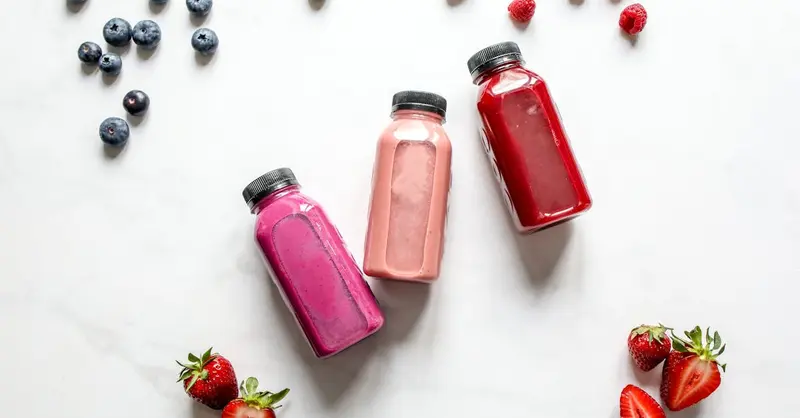
Many Canadians reach for smoothies as a guilt-free treat or a quick health fix, but the reality can be surprisingly different. While fresh fruits are a great base, the addition of juices, sweetened yogurts, sorbets, and even 'boosters' can quickly escalate the sugar content. A seemingly innocent berry blend might pack more sugar than a can of cola. Look beyond the fruit names on the menu. Ask about the base ingredients. Is it whole fruit, or fruit puree with added sugar? Is the yogurt plain or flavoured? Opting for unsweetened almond milk or water as a base, and choosing whole fruits over juices, are smart ways to control sugar.
💡 Decoding the 'Superfood' Claims
Smoothie bars often tout 'superfoods' like acai, goji berries, chia seeds, and spirulina as key ingredients. While these do offer nutritional benefits, their impact in a single serving can be overstated, especially when mixed with other ingredients. The real value lies in the overall nutritional profile of the smoothie, not just the presence of one trendy ingredient. For instance, a smoothie loaded with acai but also high in sugar might not be the health powerhouse it's marketed as. Consider the source and preparation of these 'superfoods'. Are they organic? Are they added in meaningful quantities, or just a sprinkle for marketing? Don't be swayed solely by the 'superfood' label; assess the entire ingredient list.
🛡️ Texture Tells a Tale: What Your Smoothie's Consistency Reveals
The texture of a smoothie can be a surprising indicator of its quality and ingredients. A truly well-made smoothie, using fresh or frozen whole fruits and vegetables, should have a thick, creamy, and satisfying consistency. If your smoothie is watery or overly thin, it might be due to a lack of frozen ingredients, too much liquid added, or perhaps the use of cheaper, less nutrient-dense bases. Conversely, an excessively thick smoothie that requires significant effort to drink might be overloaded with ice or thickeners, masking a lack of flavourful ingredients. A good smoothie should feel substantial, not like flavoured water or a milkshake. Pay attention to how easily it pours and how it feels in your mouth – it’s a direct reflection of the ingredients used.
📊 The Protein Puzzle: Boosting Your Blend Wisely
Adding protein to a smoothie is a popular way to make it more filling and suitable as a meal replacement. However, the type and amount of protein matter. Whey protein is common, but for those with dairy sensitivities or following plant-based diets, options like pea, soy, or hemp protein are available. Beware of pre-mixed protein powders that may contain artificial sweeteners, fillers, or excessive sugar. It's often better to choose a reputable, unflavoured protein powder and add it yourself, allowing you to control the ingredients. If the bar offers protein add-ins, inquire about their composition. A scoop of plain Greek yogurt or a tablespoon of nut butter can also provide a healthy protein boost without the processed additives found in some powders.
✅ Local Flavours vs. Global Trends: What's on Offer in Your City?
While global smoothie trends influence menus across Canada, many local smoothie bars are starting to incorporate regional ingredients and flavours. In British Columbia, you might find smoothies featuring local berries or even a hint of spruce tips. In Quebec, perhaps a maple-infused blend. Exploring these local specialties can offer a unique taste experience and support local producers. When visiting a new city or neighbourhood, ask about their signature or locally inspired smoothies. This not only provides a more authentic experience but also helps you discover hidden gems beyond the standard menu.
🔎 Making Smarter Choices: Your Actionable Checklist
When you're standing at the counter, overwhelmed by options, keep these practical tips in mind:
- Ask about the base Is it water, unsweetened plant milk, or juice? Prioritize water or unsweetened milk.
- Scrutinize the sweeteners Avoid added sugars, syrups, or sweetened yogurts. Opt for whole fruits for sweetness.
- Check the 'boosters' Understand what's in them. Are they whole foods or processed supplements? Choose wisely based on your goals.
- Consider the 'meal' factor If it's a meal replacement, ensure it has adequate protein and healthy fats, not just fruit sugar.
- Portion control Even healthy ingredients can add up. Be mindful of the size of your smoothie.
By asking these questions, you can take control of your smoothie's health profile and ensure you're getting the nutrition you expect, not just a sugary treat.