
🧭 Discovering the Best of America's Zoos
Planning a trip to a zoo can be an exciting adventure for families and animal lovers alike. With so many incredible institutions across the United States, choosing where to go and what to see can be a delightful challenge. This guide highlights ten of the most captivating attractions found in zoos nationwide, offering unique experiences that appeal to both visitors and the institutions themselves. These selections are based on their educational value, conservation efforts, and the sheer wonder they inspire, making them prime examples of what makes a zoo visit truly memorable and worthwhile for everyone involved.
🥇 1. Giant Pandas: A Symbol of Conservation
The presence of giant pandas is a significant draw for any zoo. These iconic bears, native to China, are ambassadors for conservation, and their habitats are often state-of-the-art, reflecting a deep commitment to animal welfare. For visitors, seeing pandas is a rare and special occasion, often a bucket-list item. For zoos, pandas represent a major conservation partnership and a powerful symbol that attracts significant public attention and support. Their unique behavior, from bamboo munching to playful antics, captivates audiences of all ages.
🥈 2. African Savanna Exhibits: Immersive Wildlife
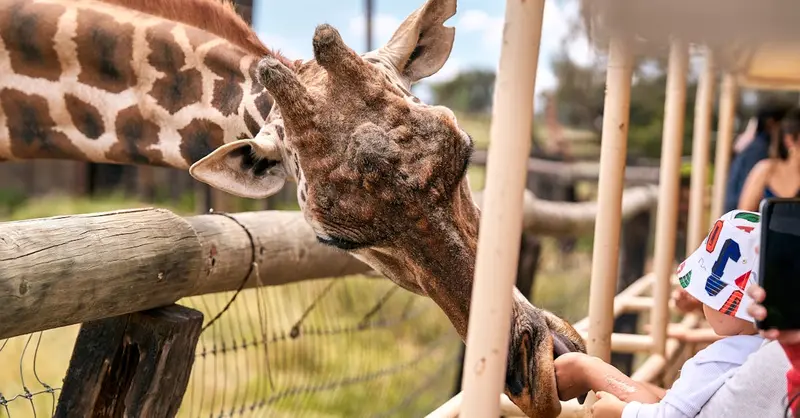
Expansive exhibits designed to mimic the African savanna offer a chance to see iconic species like giraffes, zebras, rhinos, and lions in a more naturalistic setting. These immersive environments allow visitors to feel as though they've stepped onto the plains. For sellers of related merchandise or food services, these exhibits are prime locations for themed offerings. The educational aspect focuses on the interconnectedness of these animals and their ecosystem, highlighting the importance of habitat preservation.
🥉 3. Orangutan Habitats: Intelligent Apes
Orangutan enclosures often feature complex climbing structures and enrichment activities, showcasing the incredible intelligence and arboreal nature of these great apes. Zoos often use these exhibits to educate the public about the threats facing orangutans in the wild, particularly habitat loss due to palm oil plantations. For visitors, observing their dexterous movements and problem-solving abilities is fascinating. For zoos, these exhibits are central to their primate conservation programs and educational outreach.
🏅 4. Polar Bear Enclosures: Arctic Wonders
Modern polar bear exhibits are designed to replicate the Arctic environment, often including large pools for swimming and opportunities to observe their hunting behaviors. These exhibits serve a dual purpose: educating visitors about the impact of climate change on polar bears and showcasing the species' adaptations to extreme cold. The visual spectacle of a polar bear swimming is unforgettable. For zoos, these exhibits are critical for raising awareness about climate change and supporting conservation efforts for this vulnerable species.
⭐ 5. Reptile Houses: A World of Scales
Reptile houses offer a glimpse into the diverse and often misunderstood world of snakes, lizards, crocodiles, and turtles. These exhibits can range from small, intimate displays to large, walk-through environments. They provide excellent opportunities to learn about different species' adaptations and ecological roles. For sellers, themed merchandise or educational materials related to reptiles can perform well. Zoos use these exhibits to dispel myths and promote appreciation for these often-overlooked creatures.
🔥 6. Aquarium Domes and Tunnels: Underwater Realms
Many zoos incorporate impressive aquariums, featuring walk-through tunnels or large viewing domes that immerse visitors in underwater ecosystems. Seeing sharks, rays, and schools of fish swim overhead is a truly awe-inspiring experience. These exhibits highlight the biodiversity of marine life and the importance of ocean conservation. For zoos, they are major attractions that draw crowds and offer unique educational perspectives on aquatic environments.
💡 7. Nocturnal Houses: Creatures of the Night
Nocturnal houses allow visitors to observe animals that are most active after dark, such as owls, bats, and various small mammals. By reversing the day-night cycle, these exhibits provide a unique perspective on animal behavior. They are often darkened environments with red lighting to avoid disturbing the animals. For zoos, these exhibits offer a chance to showcase a different facet of the animal kingdom and educate the public about adaptations for low-light conditions.
📌 8. Children's Zoos and Petting Areas: Hands-On Fun
Designed specifically for younger visitors, children's zoos and petting areas offer safe and engaging opportunities for interaction with domestic animals like goats, sheep, and rabbits. These areas foster a love for animals from an early age and teach basic animal care. For sellers, this translates to high demand for children's books, toys, and interactive educational materials. Zoos value these spaces for their role in early childhood development and fostering empathy.
✅ 9. Aviaries: Flights of Fancy
Large walk-through aviaries allow visitors to experience the sights and sounds of diverse bird species in a simulated natural habitat. From colorful parrots to majestic birds of prey, these exhibits offer incredible viewing opportunities. They emphasize the importance of avian conservation and the beauty of bird diversity. For zoos, well-designed aviaries are educational powerhouses and visually stunning attractions that draw significant visitor interest.
🥇 10. Conservation Centers and Breeding Programs: Behind the Scenes
While not always a direct viewing exhibit, many zoos highlight their crucial role in conservation breeding programs for endangered species. These centers often offer educational displays or behind-the-scenes tours that showcase the dedication to species survival. For visitors, understanding the conservation work adds depth to their visit. For zoos, these programs are fundamental to their mission and a key selling point for their commitment to wildlife preservation.
🥈 Making the Most of Your Zoo Visit
When planning your next zoo outing, consider these top attractions to ensure a rich and rewarding experience. Look for opportunities to learn about conservation efforts and the specific needs of each species. For sellers, understanding which exhibits are most popular can help tailor merchandise and services. Remember to check the zoo's schedule for feeding times or keeper talks, which often provide extra educational insights. A well-planned visit enhances both enjoyment and understanding of the vital role zoos play in wildlife education and conservation.