The End of the Thrift Store Chore
Winnipeg's downtown vintage scene is offering a glimpse into the future of the Canadian secondary market. A local shop recently made headlines for offering vintage fashions piping hot, fresh from the dryer. While this sounds like a clever marketing hook, it points to a deeper shift in consumer behaviour. Buyers are increasingly willing to pay for the elimination of the thrift store chore. This chore includes the time and effort required to clean, deodorize, and repair used items. In the Home and Garden category, this trend is manifesting as a high demand for ready-to-use goods. Whether it is a sofa that has been professionally steam-cleaned or a lawnmower that has been fully serviced, the value is no longer just in the item itself. It is in the service layer that makes the item immediately functional. For many Canadians, especially those in busy urban centres, the as-is bargain is becoming less attractive than the curated, serviced alternative.

Decoding the Curation Premium
The economics of this shift are clear when looking at the price gap between raw and curated goods. A raw, as-is solid wood dresser might sell for 150 dollars on a local marketplace. However, that same dresser, once sanded, oiled, and with its drawer slides waxed, can command 500 dollars or more. This curation premium covers the cost of labour, specialized materials, and the seller's expertise. For the buyer, this premium is often a rational economic choice. The cost of buying wood oil, sandpaper, and a high-quality brush, combined with the hours of labour required, often exceeds the 350-dollar difference. Furthermore, the curated purchase removes the risk of hidden damage that a novice might miss. This professionalization of the secondary market is creating a new tier of premium used goods that sit between traditional thrift and brand-new retail.
| Item Category | Raw 'As-Is' Price | Curated/Refurbished Price | The Curation Premium |
|---|---|---|---|
| Solid Wood Dresser | $120 - $180 | $400 - $600 | $280 - $420 |
| High-End Stand Mixer | $85 - $130 | $220 - $300 | $135 - $170 |
| Gas Lawn Mower | $60 - $100 | $180 - $250 | $120 - $150 |
| Vintage Wool Rug | $50 - $90 | $250 - $400 | $200 - $310 |
Material Durability and the Resale Value Floor
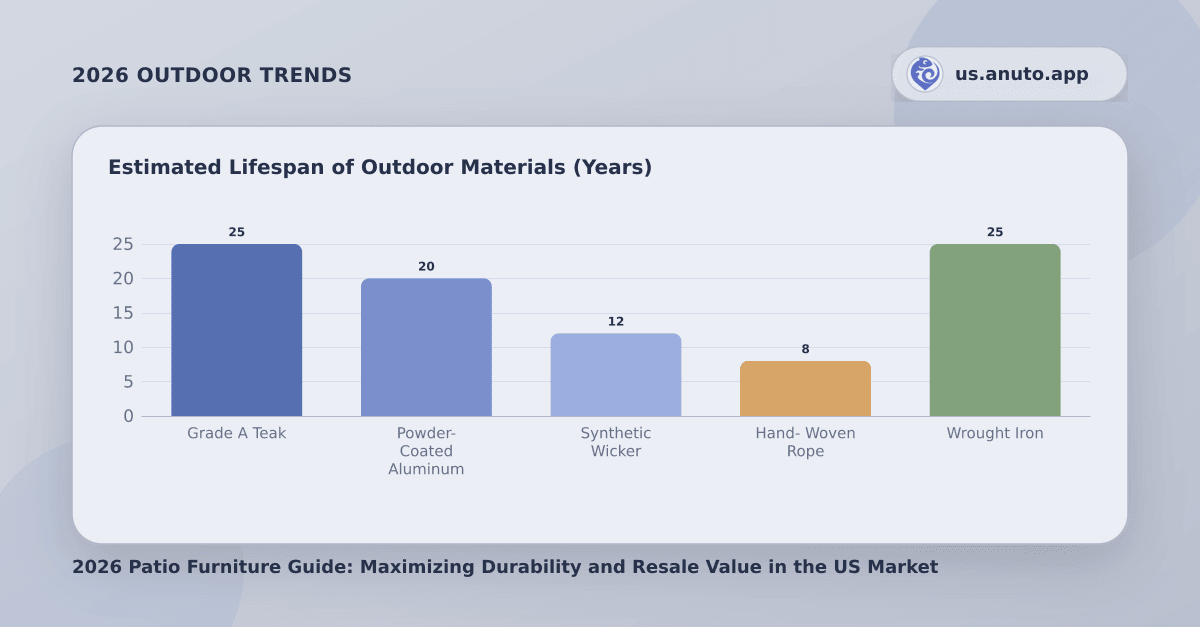
Material durability is the foundation of this curated market. As new furniture increasingly relies on composite materials and thin veneers, the resale value of modern entry-level goods has plummeted. These items are often designed for a single lifecycle and do not survive moving or heavy use well. In contrast, older pieces made from solid hardwoods or industrial metals retain a significant portion of their original value. This is because they can be restored and serviced indefinitely. A solid oak table from the 1970s can be refinished to look brand new, whereas a particle board desk from 2020 will likely end up in a landfill once the veneer chips. This value floor for durable materials is why curated shops can afford to invest labour into vintage pieces. They are working with assets that do not evaporate in value, providing a safer investment for both the reseller and the final buyer.
The Professionalization of Repair Economics
The rising cost of professional repair is another major driver. In 2026, the hourly rate for a specialized technician in cities like Winnipeg or Vancouver has reached a point where one-off repairs are often uneconomical for individuals. If a high-end stand mixer breaks, the cost of shipping it to a service centre and paying for parts and labour can approach the price of a new unit. However, a reseller who specializes in these mixers can batch repairs, source parts in bulk, and perform the work more efficiently. This creates a repair gap where the professional reseller can bring a product back to market at a price that is attractive to consumers while still being profitable. This efficiency is the engine behind the growth of serviced appliances and tools on the marketplace. It allows high-quality goods to stay in circulation rather than being replaced by cheaper, less durable modern alternatives.
Strategic Buying in a Curated Marketplace
For marketplace users, the strategy for 2026 is to focus on the service layer when evaluating listings. When browsing for home goods, look for sellers who provide specific details about the maintenance they have performed. A listing that mentions deep-cleaned with industrial equipment or all mechanical parts lubricated and tested is offering significantly more value than a generic used description. It is also important to consider the total cost of ownership. A 50-dollar lawnmower that requires a 150-dollar tune-up is more expensive than a 180-dollar mower that is ready to cut grass today. By prioritizing these ready-to-use items, buyers can enjoy the quality of high-end or vintage goods without the hidden costs and time sinks of the traditional second-hand market. This approach ensures that your home and garden investments are both practical and sustainable.