The Out-Migration Signal: Assessing the 2026 Shift
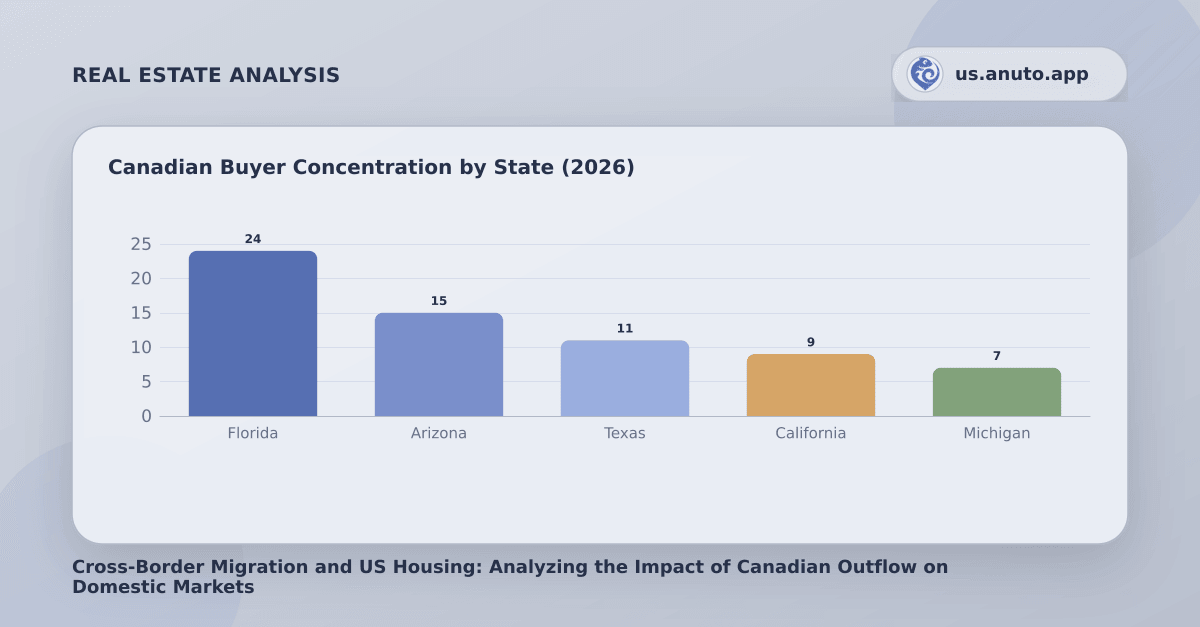
In early 2026, the narrative surrounding the Canadian housing market has shifted from a supply-side crisis to a demand-side question. Recent reports indicate a measurable uptick in Canadians moving abroad or relocating to more affordable domestic regions, driven primarily by the persistent high cost of living in major metropolitan areas. This out-migration is not a total exodus, but it is a significant market signal that is beginning to influence listing volumes and rental vacancy rates in cities like Toronto and Vancouver. For marketplace participants, this trend suggests a transition from the frantic bidding wars of previous years to a more calculated environment where buyers have slightly more leverage due to increased secondary-market inventory.
The impact of this migration is most visible in the 'move-up' buyer segment. As families choose to exit high-priced markets for international opportunities or lower-cost provinces like Alberta or the Maritimes, we are seeing a higher frequency of detached and semi-detached homes entering the market. This influx of supply, while not yet enough to cause a price collapse, is effectively capping the aggressive price growth observed in 2024 and 2025. Sellers are now forced to be more realistic with their expectations, as the pool of domestic buyers remains constrained by high interest rates and stricter stress-test requirements.

Rental Market Cooling and Vacancy Adjustments
The rental sector provides the most immediate data on how migration patterns affect housing demand. In 2026, the rapid escalation of rents has begun to plateau in the Greater Toronto Area (GTA) and Metro Vancouver. This cooling is directly correlated with the departure of young professionals and new immigrants who are finding the rent-to-income ratio unsustainable. While demand remains high due to overall population growth, the 'premium' end of the rental market is seeing longer days-on-market for listings, forcing landlords to offer incentives such as one month of free rent or subsidized utilities to attract stable tenants.
Inventory Dynamics: Where the Supply is Growing
The increase in out-migration is creating specific pockets of opportunity within the resale market. In particular, the condo segment in downtown cores is experiencing a surge in active listings. Many of these units were previously held by investors or young professionals who have since decided to liquidate their Canadian assets in favour of markets with better affordability or higher yield potential. This has led to a divergence in the market: while detached homes remain relatively scarce, the condo market is approaching a 'buyer's market' territory in several urban centres. This shift is a critical signal for first-time buyers who have been sidelined for the past three years.
| Property Type | Active Listings (YoY Change) | Avg. Days on Market | Market Sentiment |
|---|---|---|---|
| Condo/Apartment | +14% | 42 | Buyer Advantage |
| Townhome | +6% | 28 | Balanced |
| Detached Home | +2% | 22 | Seller Advantage |
| Semi-Detached | +4% | 25 | Balanced |
Strategic Implications for Buyers and Sellers
For buyers, the current trend of out-migration provides a window of stability that was absent during the post-pandemic surge. The key is to focus on neighbourhoods where listing inventory is rising faster than the national average. These areas often correlate with high-density employment zones where the cost of living has peaked. Buyers should prioritize properties with high resale liquidity, such as two-bedroom units or homes with accessory suites, which remain resilient even if broader market demand softens further. The ability to negotiate on closing dates and inspection conditions has returned, providing a layer of risk mitigation that was previously unavailable.
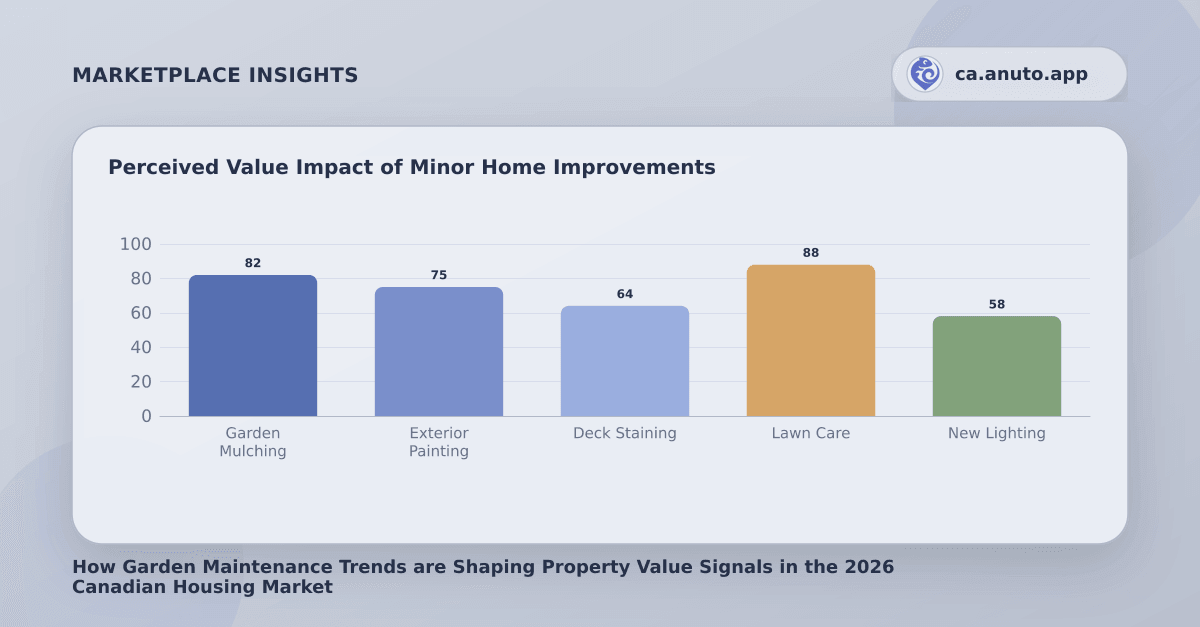
Sellers, on the other hand, must adapt to a market that is no longer characterized by scarcity alone. Pricing strategy is now paramount. Overpricing a home in 2026 often results in the listing becoming 'stale,' leading to eventual price drops that signal weakness to savvy buyers. Sellers should look at the specific migration data for their municipality; if the area is seeing a net outflow of residents, the emphasis should be on highlighting the unique value propositions of the property, such as proximity to transit, energy efficiency, or recent renovations that reduce the buyer's immediate capital expenditure.
Conclusion: A Rebalancing, Not a Collapse
While the headlines regarding Canadians 'fleeing' the country may sound alarmist, the marketplace reality in 2026 is one of necessary rebalancing. The housing market is absorbing the impact of demographic shifts, resulting in a healthier distribution of inventory and a deceleration of unsustainable price growth. For the Anuto community, this environment rewards patience and data-driven decision-making. Whether you are looking to enter the market as a first-time buyer or seeking to optimize a rental portfolio, the current signals suggest that the era of blind competition is over, replaced by a market where value and location are once again the primary drivers of success.