Does curb appeal still matter when housing affordability is the primary concern for buyers?
In the current 2026 Canadian real estate market, the tension between high borrowing costs and the need to maintain property equity has reached a critical point. Many homeowners are asking if expensive renovations are still the best way to protect their investment, or if smaller, more tactical improvements offer a better return. As property prices stabilize in major hubs like Toronto and Vancouver, the visual signal of a well-maintained exterior has become a primary differentiator for listings. This is where the garden mulch market serves as a surprising but accurate bellwether for broader housing trends. Rather than investing in major structural changes, owners are focusing on high-impact, low-cost landscaping to signal care and quality to potential buyers.
The demand for garden mulch in Canada is not just about aesthetics; it is a reflection of a shift toward 'defensive' home ownership. By using mulch to suppress weeds and retain moisture, homeowners are reducing the time and money required for seasonal upkeep. In a marketplace where buyers are increasingly wary of 'fixer-uppers' due to high renovation costs, a garden that looks professional and low-maintenance can significantly influence the speed of a sale. This trend suggests that the 'yield' on a few hundred dollars of mulch and basic landscaping can often outperform larger, more complex outdoor projects in the current economic climate.
Measuring the impact of low-cost maintenance on market perception
When we look at the data surrounding home maintenance, the return on investment for curb appeal remains one of the most consistent signals in the Canadian marketplace. While a kitchen remodel might only recoup 60 to 70 percent of its cost in a quick sale, basic exterior refreshes often see a much higher perceived value boost relative to the initial spend. The following chart illustrates how different maintenance and minor upgrade categories compare in terms of their impact on buyer interest and perceived property value in the 2026 market.
Choosing the right materials for long-term yield and reduced effort
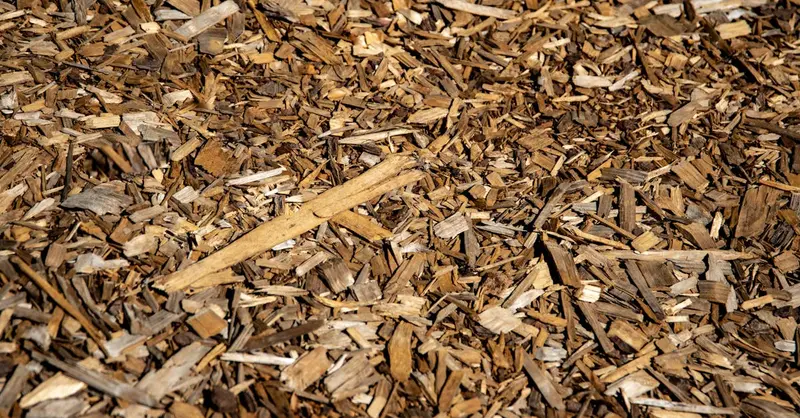
Not all mulch is created equal when it comes to the marketplace signal it sends. Professional stagers and real estate agents often note that the choice of material can change the 'vibe' of a property from rustic to modern or from neglected to premium. For example, dark-dyed wood chips often provide a sharp contrast that makes plant colours pop, which looks excellent in listing photos. However, from a maintenance perspective, natural cedar or hemlock might offer better longevity and pest resistance, which appeals to the practical buyer. The table below breaks down the common options available in the Canadian marketplace and how they stack up for the average homeowner.
| Mulch Type | Average Cost per Yard | Longevity | Marketplace Signal |
|---|---|---|---|
| Cedar Bark | $65 - $85 | 2-3 Years | Premium, natural, high-end feel |
| Black Dyed Wood | $50 - $70 | 1 Year | Modern, high-contrast, needs refresh |
| Hemlock | $70 - $90 | 2-3 Years | Professional, durable, weed-resistant |
| Pine Straw | $40 - $55 | 1 Year | Casual, rustic, budget-friendly |
| Rubber Mulch | $150 - $200 | 10+ Years | Functional, permanent, polarizing |
The shift toward water-wise landscaping as a cost-saving measure
Another factor driving the mulch market in 2026 is the rising cost of municipal water services across many Canadian regions. Mulching is no longer just a decorative choice; it is a functional tool for moisture retention. By applying a thick layer of organic mulch, homeowners can reduce the need for supplemental watering by up to 50 percent during the peak summer months. This resonates with a growing segment of 'eco-conscious' buyers who are looking for homes that are cheaper to operate and more resilient to local climate variations.
In regions like the Okanagan or parts of Southern Ontario that have seen stricter water usage bylaws, a heavily mulched garden is a signal of a 'water-wise' property. This adds a layer of practical value to the home that goes beyond simple aesthetics. Buyers are increasingly looking at the total cost of ownership, including utility bills and maintenance time. A garden that uses mulch effectively to minimize these costs is seen as a more 'turn-key' solution, which can justify a firmer asking price even in a competitive market.
What the 2026 forecast means for homeowners and local suppliers
Looking ahead through the remainder of 2026, the demand for garden mulch and related maintenance products is expected to remain steady, even if the broader construction sector sees a slowdown. This is because 'renovation fatigue' and high interest rates are pushing people away from large-scale projects and toward incremental improvements. For the everyday homeowner, the takeaway is clear: do not neglect the small details. A fresh layer of mulch is one of the few home improvements that can be completed in a weekend for a few hundred dollars while materially changing the marketability of a property.
For local suppliers and landscaping businesses, the trend is moving toward bulk delivery and high-quality organic blends. Consumers are becoming more educated about the benefits of specific wood types and are moving away from the cheapest possible options in favour of products that offer better soil health and longer-lasting colour. As we move into the fall season, we expect to see a secondary spike in demand as homeowners prepare their gardens for the winter, further cementing the role of basic maintenance as a cornerstone of Canadian property management strategy.