
📌 Underestimating Policy Details: The Fine Print Trap
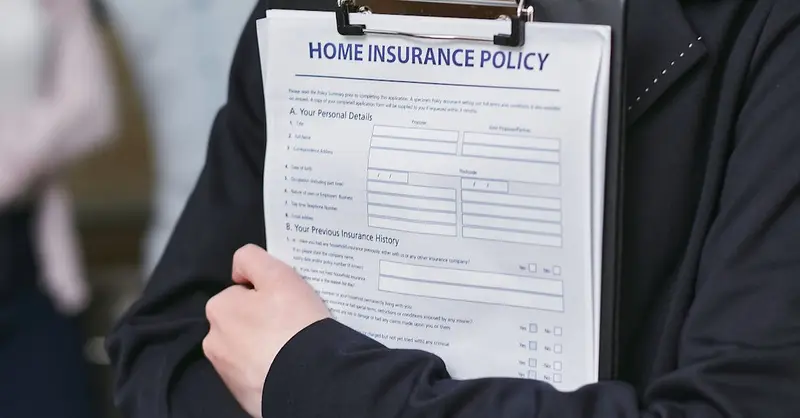
Many policyholders skim over the crucial details of their insurance policies, leading to unexpected gaps in coverage. This isn't just about the premium amount; it's about understanding what's truly covered and what's excluded. For instance, a homeowner's policy might exclude damage from certain natural disasters like floods or earthquakes, requiring separate riders. Similarly, auto insurance can have complex terms regarding rental car coverage or specific types of damage. This oversight often happens because policy documents are dense and filled with legal jargon. People assume they understand the basics and don't delve deeper. The risk is significant: when a claim is filed, you might discover that the event you thought was covered is actually excluded, leaving you to bear the full financial burden. To avoid this, read every policy carefully. Don't hesitate to ask your agent or the insurance company for clarification on any clause you don't understand. Keep a digital or physical copy of your policy readily accessible. For major purchases like homes or vehicles, consider consulting with an independent insurance broker who can compare options from multiple companies and explain the nuances.
💡 Failing to Update Coverage After Life Changes
Life rarely stays static, yet many insurance policies remain unchanged for years. Major events like getting married, having a child, buying a new home, or starting a new business significantly alter your insurance needs. For example, a new car purchase requires immediate notification to update your auto policy, and a home renovation might necessitate an increase in your homeowner's coverage to reflect the added value. This mistake often stems from inertia or simply forgetting. People might not realize that their existing coverage is no longer adequate or, conversely, that they might be overpaying for coverage they no longer need. The danger lies in being underinsured during a critical event, leading to insufficient payouts, or being overinsured, which means wasting money on premiums. Make it a habit to review your insurance policies annually, or whenever a significant life event occurs. For vehicle insurance, this means updating details about drivers, vehicles, and usage. For life insurance, consider if your coverage is still sufficient to support your dependents. Real estate policies should be updated after major renovations or additions. Proactive communication with your insurer is key.
🛡️ Choosing the Cheapest Policy Without Comparing
The allure of a lower premium is strong, but opting for the cheapest insurance policy available can be a costly error. Insurance companies price their policies based on risk assessment, and a significantly lower price might indicate reduced coverage, higher deductibles, or a less reputable company. This is particularly common in competitive markets like auto and home insurance, where consumers might shop solely on price. This mistake happens because comparing policies involves more than just looking at the monthly cost. It requires understanding the coverage limits, deductibles, exclusions, and the insurer's reputation for handling claims. A cheap policy might have a low premium but a very high deductible, meaning you'll pay much more out-of-pocket if you need to file a claim. Always compare multiple quotes from different insurance providers. Look beyond the premium to assess the value. Check customer reviews and financial strength ratings of the companies. Consider the claims process – is it straightforward, or are there many hurdles? For instance, when looking for vehicle insurance, get quotes from at least three different providers, examining their comprehensive and collision coverage details.
📊 Not Understanding Your Deductible and Its Impact
The deductible is the amount you pay out-of-pocket before your insurance coverage kicks in. Many people select a deductible without fully grasping its implications, often choosing a lower deductible to lower their premium, or a higher one to save money monthly without considering their ability to pay the deductible if a claim arises. This lack of understanding can lead to financial strain when a claim occurs. If you have a $1,000 deductible and a $5,000 claim, you're responsible for the first $1,000. If you haven't budgeted for this, it can be a significant hardship. Conversely, choosing a very high deductible to get a low premium might seem appealing, but it could leave you exposed if you face an unexpected event. Assess your financial situation when choosing a deductible. Can you comfortably afford to pay the deductible amount if you need to file a claim? It's often wise to select a deductible that aligns with your emergency savings. For example, if you have a $500 emergency fund, a $1,000 deductible might be too risky. Balance the monthly premium savings against your ability to cover the deductible.
✅ Overlooking the Importance of Claims History
Your claims history is a critical factor in how insurance companies assess your risk and set your premiums. Failing to report minor incidents or trying to handle small issues yourself without filing a claim might seem like a good way to keep premiums low, but it can sometimes backfire. Conversely, having a history of frequent claims, even small ones, can lead to higher rates or even difficulty obtaining coverage. This mistake often arises from a misunderstanding of how insurers use data. They see patterns, and a history of claims, regardless of fault, can signal a higher risk. The risk is that you might be paying more than necessary, or that your policy could be non-renewed if your claims history is deemed too extensive. Be honest and accurate when providing information to your insurer. Understand that even minor accidents can be recorded. If you're unsure whether to file a claim, discuss the potential impact on your premium with your agent. For vehicle insurance, consider the cost of repairs versus your deductible and the potential premium increase before filing a claim for minor damage. Sometimes, paying out-of-pocket for small repairs is more cost-effective in the long run.
🔎 Ignoring Policy Exclusions and Limitations
Every insurance policy comes with a list of exclusions – events or circumstances that are not covered. These can range from specific types of damage (like mold or pest infestations in homeowner's insurance) to certain activities (like racing in auto insurance). Ignoring these can lead to significant financial surprises. This oversight is common because exclusions are often buried in the policy's fine print. People assume that if something isn't explicitly mentioned as excluded, it's covered. The danger is that when an incident occurs that falls under an exclusion, the insurance company will deny the claim, leaving you responsible for the costs. For example, many standard homeowner policies do not cover damage from sewer backup or sump pump failure without a specific endorsement. Review the exclusions section of your policy thoroughly. If you engage in activities that might be excluded (like using your vehicle for ride-sharing), ensure you have the appropriate commercial or rideshare endorsement. For real estate, understand what perils are excluded by your standard policy and consider purchasing additional coverage, such as flood or earthquake insurance, if you live in a high-risk area. Always ask your agent to explain any exclusions that seem unclear.
🧭 Not Shopping Around Periodically
The insurance market is dynamic, with companies frequently adjusting their rates and offerings. Staying with the same insurance provider for years without periodically shopping around is a common mistake that can cost you money. Loyalty doesn't always translate into the best rates, especially if your circumstances have changed or if competitors are offering better deals. This happens because it's easier to stick with what you know. The process of researching new providers, getting quotes, and switching policies can seem daunting. However, the potential savings can be substantial. You might find that a new company offers comparable coverage at a lower price, or that your current insurer has increased your rates significantly without a corresponding increase in coverage or claims. Make it a point to get new quotes at least once every few years, or whenever you receive your renewal notice. Compare not only the price but also the coverage details, customer service ratings, and claims handling reputation. Websites and apps can help streamline this comparison process, allowing you to see multiple options side-by-side. This diligence ensures you're getting the best value for your insurance dollar.
📌 Final Thoughts on Prudent Insurance Practices
Navigating the world of insurance requires diligence and a proactive approach. By understanding your policy's intricacies, keeping your coverage updated, comparing options wisely, and being aware of exclusions, you can avoid costly mistakes. Treat your insurance policies as living documents that need regular review, especially after significant life events. Remember that insurance is about peace of mind and financial protection. Taking the time to make informed decisions now can save you significant stress and expense down the line. Don't hesitate to seek professional advice when needed to ensure your coverage truly meets your needs.