The 2026 Spring Standoff
The 2026 spring housing market in Canada is not following the traditional seasonal script. Usually, April marks a significant uptick in both listings and transactions as families look to move before the new school year. However, current data suggests a much more measured pace. High interest rates continue to weigh heavily on borrowing capacity, and many potential sellers are holding back, waiting for a clearer signal from the Bank of Canada. This has created a standoff where buyers are limited by affordability and sellers are reluctant to lower their expectations. The result is a marketplace that feels sluggish compared to the frantic activity seen in previous cycles. For those navigating the market today, understanding these underlying signals is more important than following general seasonal advice. Many homeowners are currently experiencing a lock in effect, where their current mortgage rates are significantly lower than what they would face upon purchasing a new property. This financial friction is keeping existing inventory off the market, further complicating the options available for first time buyers who are already struggling with high entry costs and strict stress test requirements.

Affordability and the Cost of Entry
Affordability remains the primary hurdle for the average Canadian household in 2026. While some analysts expected prices to drop significantly as rates rose, the lack of new inventory has kept a floor under valuations in major urban centres. Buyers are increasingly looking at the total monthly cost rather than just the sticker price. This shift in focus is visible in the marketplace where smaller, more efficient homes or those with secondary suites are attracting more attention than large, high maintenance detached properties. The current environment requires a more analytical approach to budgeting, as the gap between a pre approval and a final sale price can narrow quickly when interest rates fluctuate. The following chart illustrates the average asking prices across key Canadian regions for April 2026, highlighting the significant entry costs that remain despite the slow start to the season.
Regional Divergence and Carrying Costs
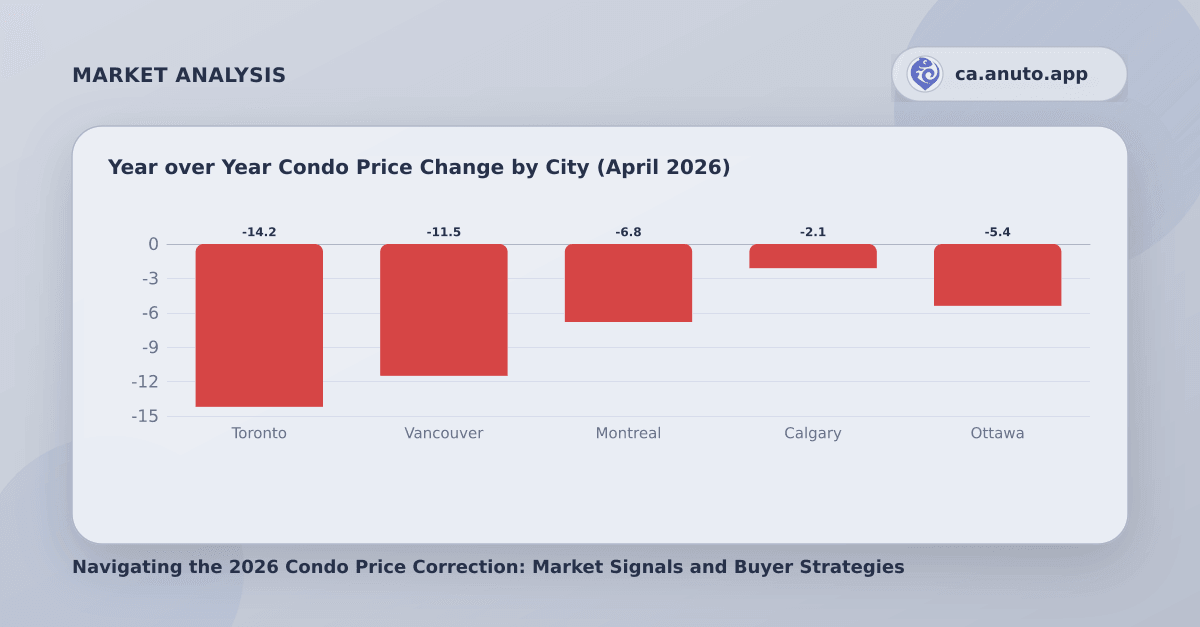
Regional differences are becoming more pronounced as the spring season progresses. While the national average provides a broad overview, the reality on the ground varies wildly between provinces. For instance, Calgary and Edmonton continue to see relatively steady demand due to lower entry prices and strong interprovincial migration, whereas the Greater Toronto Area is experiencing a buildup of condo inventory that is not being absorbed at the usual rate. This regional split means that a strategy that works in one city may be entirely ineffective in another. Buyers in high supply areas now have more room to negotiate on conditions such as home inspections and financing, which were often waived in recent years. The table below compares the estimated monthly carrying costs for a typical home in different regions, based on current 2026 mortgage averages and typical down payments.
| Region | Avg Price ($) | Mortgage Rate | Monthly Payment ($) |
|---|---|---|---|
| Greater Toronto | 1150000 | 5.1% | 5420 |
| Greater Vancouver | 1280000 | 5.1% | 6030 |
| Calgary | 610000 | 5.1% | 2870 |
| Montreal | 595000 | 5.1% | 2800 |
| Halifax | 545000 | 5.1% | 2560 |
Inventory Levels and Days on Market
One of the most telling signals in the current market is the increase in the average number of days a listing stays active. In a hot market, homes often sell within a week. In the spring of 2026, we are seeing this timeline stretch to 30 or even 45 days in many suburban markets. This increase in duration is a direct reflection of buyer caution. People are taking more time to compare options, visit multiple properties, and run the numbers on their financing. For sellers, this means that pricing a home correctly from day one is more critical than ever. Overpricing in this environment often leads to a listing becoming stale, which can eventually result in a lower sale price than if it had been positioned competitively at the start. We are also seeing a return of conditional offers, which gives buyers a layer of protection that was virtually non existent two years ago. This shift in power dynamics is a key feature of the 2026 marketplace, allowing for more thorough due diligence before a sale is finalized.
Strategic Outlook for Marketplace Users
Looking ahead, the remainder of 2026 will likely be defined by how inventory levels interact with any potential shifts in monetary policy. If more sellers decide they can no longer wait and flood the market with listings, we could see further downward pressure on prices. Conversely, if the Bank of Canada begins a series of rate cuts, the pent up demand from sidelined buyers could lead to a sudden increase in competition. For now, the best approach for marketplace users is to remain analytical and focused on long term value rather than short term market timing. Whether you are buying or selling, the current slow start provides a rare opportunity to move with more deliberation and less pressure than the Canadian market has allowed for in nearly a decade. Investors are also watching the rental market closely, as high ownership costs continue to drive demand for quality rental units, providing a potential safety net for those who choose to hold properties rather than sell in a slower market. Staying informed on local listing counts and recent comparable sales will be the most effective way to navigate the coming months.