📌 The Allure and the Reality of Heritage Homes
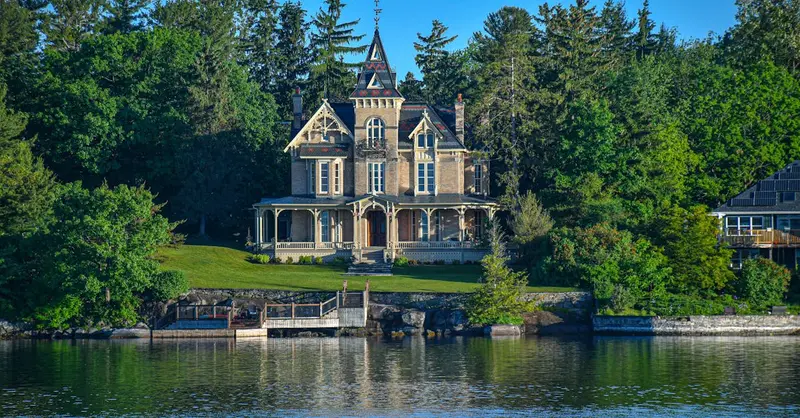
When considering a historical property in Canada, the romantic notion of owning a piece of the past often takes centre stage. From Victorian homes in Halifax to turn-of-the-century farmhouses in rural Ontario or heritage lofts in Montreal, these properties offer a unique charm unmatched by modern construction. However, beneath the ornate trim and storied walls lie practical considerations that can significantly impact both buyers and sellers. The decision to invest in a historical landmark isn't just about aesthetics; it's about understanding the inherent complexities and potential rewards.
💡 Comparing Options: Preservation vs. Modernization
The primary trade-off when acquiring a historical property revolves around the degree of preservation versus modernization. Buyers often face a choice: a meticulously restored property, commanding a premium price, or a more original, untouched home that requires significant investment in bringing it up to modern living standards while respecting its heritage status. Sellers, on the other hand, must decide how much restoration to undertake before listing. A fully restored heritage home might attract a niche market willing to pay top dollar, but it could also deter buyers seeking a blank canvas. Conversely, a property in original condition might appeal to renovators but could require extensive disclosure of its condition and potential challenges.
🛡️ Hidden Differences: Beyond the Bricks and Mortar
What often goes unconsidered are the hidden differences that distinguish one historical property from another. Beyond the architectural style, local bylaws and provincial heritage designations play a crucial role. For instance, a property designated under a municipal heritage bylaw in Quebec City will have different restrictions and potential incentives compared to a property listed on the National Historic Sites of Canada register. These designations can dictate everything from exterior paint colours to the types of renovations permitted. Sellers must be transparent about any existing heritage status, and buyers need to thoroughly investigate these designations during due diligence. Furthermore, the underlying infrastructure – plumbing, electrical, and foundation – in older homes can be a significant source of unexpected costs if not properly assessed.
📊 Local Decision Criteria: What Matters to Canadian Buyers and Sellers
Local decision criteria are paramount. In Vancouver, for example, the pressure to develop might mean heritage homes in desirable locations are prime targets for demolition, leading to complex battles between preservationists and developers. Sellers might find their property's heritage status a double-edged sword, attracting interest but also imposing restrictions. In contrast, smaller towns in the Maritimes might actively promote their heritage architecture as a tourism draw, making well-maintained historical homes a stable and desirable asset. Buyers in these areas might prioritize authenticity and community character. Understanding the local market's attitude towards heritage – whether it's seen as a burden or a treasure – is key for both parties. This includes considering the availability of specialized tradespeople for repairs, which can vary significantly by region.
✅ The Practicalities of Ownership: Costs and Compliance
Owning a historical property often comes with ongoing costs and compliance obligations that differ from modern homes. Insurance can be more expensive due to the unique materials and potential risks. Property taxes might be affected by heritage designations, sometimes offering abatements but other times reflecting the property's unique value. Sellers should be prepared to provide documentation on past renovations and any heritage permits. Buyers should budget not only for purchase price but also for potential upgrades, specialized maintenance, and the possibility of needing to adhere to strict heritage guidelines. A detailed inspection by a professional familiar with older homes is non-negotiable.
🔎 Finding the Right Fit: A Seller's Strategic Approach
For sellers, the strategy hinges on identifying the ideal buyer. Are you targeting a history enthusiast willing to invest in restoration, or someone looking for a move-in-ready, character-filled home? Highlighting specific historical features, providing a clear history of the property, and being upfront about any challenges can attract serious buyers. If the property has significant heritage value, engaging with local heritage organizations or seeking advice from heritage consultants can help position the property effectively. Transparency about the property's condition and any heritage restrictions is crucial to avoid complications during the sale process.
🧭 Buyer's Due Diligence: Uncovering the Unseen
Buyers need to go beyond the surface. This means commissioning a thorough building inspection that specifically addresses historical elements like foundation integrity, roofing materials, and the condition of original woodwork. Researching local zoning bylaws and heritage conservation district guidelines is essential. Understanding potential grant programs or tax incentives for heritage property owners can also be a significant financial factor. Don't underestimate the value of speaking with neighbours or local historical societies; they often possess invaluable insights into a property's history and its place within the community. For buyers looking to manage their property search efficiently, platforms that allow for detailed filtering and offer comprehensive property data can be a significant advantage.
📌 The Long-Term View: Investment and Lifestyle
Ultimately, the decision to buy or sell a historical property is a long-term one. For buyers, it's about embracing a lifestyle that values history and character, understanding that this often comes with a commitment to ongoing care. For sellers, it's about finding a buyer who appreciates the property's unique heritage and is prepared for the responsibilities that come with it. The market for historical landmarks in Canada is diverse, ranging from grand estates to humble cottages, each with its own story and set of considerations. A well-informed approach benefits everyone involved.