The 2026 Correction: Understanding the Condo Price Slide
The Canadian real estate landscape in early 2026 is defined by a sharp correction in the condominium sector. Recent reports from CTV News highlight a trend where plummeting condo prices have left many recent buyers facing substantial financial losses. This shift marks a significant departure from the rapid appreciation seen in the early 2020s. The current market is characterized by an influx of inventory, particularly in high density urban cores, as investors who previously fueled the market look to exit their positions. For marketplace participants, this represents a fundamental change in pricing logic and negotiation power. The era of blind bidding and unconditional offers has largely been replaced by a more cautious, data driven environment where buyers are scrutinizing every square foot of value.
The primary drivers behind this downturn include sustained high interest rates that have squeezed carrying costs and a surplus of smaller, investor focused units that no longer meet the needs of a changing demographic. As these units sit on the market longer, price reductions have become the norm rather than the exception. For those who purchased at the peak of the market in 2024 or early 2025, the equity erosion is a stark reality that complicates resale and refinancing options. Understanding the depth of these price moves is essential for anyone looking to enter the market or manage an existing portfolio in this climate.

Regional Price Variance and Market Signals
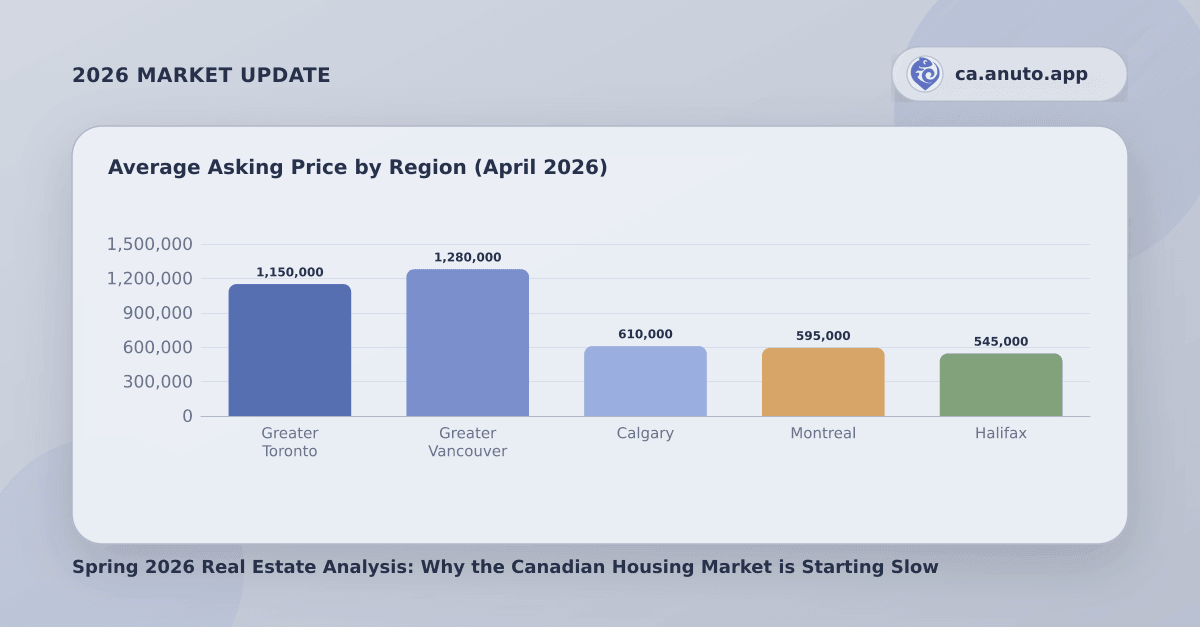
While the downturn is a national narrative, the impact varies significantly by region. Major metropolitan areas like Toronto and Vancouver have seen the most pronounced drops in absolute dollar terms, while markets like Calgary and Montreal show more resilience but are not immune to the cooling trend. The following data illustrates the year over year percentage change in average condo prices across key Canadian markets as of April 2026.
Comparing Unit Types: Investor Grade vs. End User Value
A critical signal in the 2026 market is the divergence between different types of condo units. Micro condos and one bedroom units, often referred to as investor grade properties, are seeing the steepest declines. In contrast, larger two and three bedroom units that cater to families or long term residents are holding their value more effectively. This suggests that the current market is prioritizing utility and livability over speculative potential. Buyers are now looking for features like dedicated home offices, functional outdoor spaces, and proximity to transit rather than just a downtown postal code.
| Unit Category | Price Trend | Days on Market | Buyer Profile |
|---|---|---|---|
| Micro/Studio | Down 18% | 65+ | Entry-level / Speculative |
| 1 Bedroom | Down 12% | 45-60 | First-time buyers |
| 2 Bedroom | Down 5% | 25-40 | Downsizers / Small families |
| 3 Bedroom / Penthouse | Stable | 30-50 | Luxury / Established families |
The Rental Yield Equation in a Downward Market
For investors, the plummeting prices have created a complex scenario for rental yields. While property values have dropped, rental demand remains relatively high due to the high cost of detached housing and the difficulty of qualifying for mortgages. However, the increase in condo supply has started to put downward pressure on monthly rents in certain submarkets. Investors must now calculate their returns based on current market valuations rather than the inflated prices of previous years. A property that was cash flow negative at a 2024 purchase price might become a viable long term hold at 2026 pricing, provided the investor can secure favorable financing terms. The focus has shifted from capital appreciation to sustainable rental income and debt coverage ratios.
Risk Mitigation for Current Owners and Prospective Buyers
For current owners facing equity losses, the strategy is often one of patience. Selling in a down market locks in losses, whereas holding the property may allow for a recovery over a longer horizon. For prospective buyers, the current environment offers a rare opportunity to enter the market with more leverage. However, caution is required. It is essential to conduct thorough due diligence on building health, reserve funds, and maintenance fees, as these costs can significantly impact the total cost of ownership. Buyers should also consider the resale potential of a unit in a more balanced market, avoiding overly specialized or poorly designed layouts that may be difficult to offload in the future. The 2026 market rewards those who prioritize long term stability over short term gains.