The End of the EV Price Freefall
The used electric vehicle market in the United States has transitioned from a period of extreme volatility into a phase of measurable resurgence. In early 2026, marketplace data shows that the aggressive price corrections seen throughout 2024 and 2025 have finally bottomed out. For everyday consumers, this means the risk of rapid depreciation immediately after purchase has significantly diminished. The resurgence is driven by a combination of stabilized supply, a clearer understanding of long term battery performance, and a secondary market that has finally reached a critical mass of inventory. Buyers are no longer competing for a handful of luxury models but are instead choosing from a diverse range of vehicles that fit various budgets and lifestyles. This stabilization provides a much more predictable environment for those looking to switch from gasoline to electric without the financial uncertainty that defined the market two years ago.
Comparing 2026 Value Across Popular Models
Understanding the current price bands is essential for any prospective buyer in 2026. The market has segmented itself into clear categories based on range, charging speed, and brand prestige. While new EV prices have remained relatively high, the used market offers a steep discount that often places three year old electric cars at price parity with five year old gasoline vehicles. This shift is particularly visible in the mid range sedan and compact SUV segments, where the highest volume of lease returns is currently hitting the marketplace. By looking at the typical asking prices, buyers can see a clear path to ownership that does not require a premium over traditional internal combustion options. The following table illustrates the typical price ranges observed for popular models in the current secondary market.
| Model | 2026 Used Price Range | Typical Range (Miles) | Best Use Case |
|---|---|---|---|
| Tesla Model 3 (2023) | $24,000 to $29,000 | 260 to 310 | Daily commuting and road trips |
| Chevrolet Bolt EUV (2023) | $16,000 to $21,000 | 247 | Budget conscious city driving |
| Ford Mustang Mach-E (2022) | $28,000 to $35,000 | 230 to 300 | Families needing extra cargo space |
| Hyundai Ioniq 5 (2022) | $27,000 to $34,000 | 220 to 303 | Fast charging enthusiasts |
Resale Stability and Market Trends
Resale value stability is the most important signal for 2026. In previous years, used EV prices were heavily influenced by the fluctuating prices of new models and the scarcity of charging infrastructure. Today, the market has matured. The average asking price for a used EV has moved from a steep downward curve to a more predictable linear depreciation model. This change allows buyers to calculate their total cost of ownership with much greater accuracy. When we look at the year over year trends, it becomes clear that the massive 20 percent drops are a thing of the past, replaced by a market that mirrors the stability of the broader automotive industry. This trend is visualized below, showing the average asking price for a standardized three year old electric vehicle over the last three years.
Maximizing the Federal Used EV Incentive
The federal used EV tax credit remains a primary driver of demand in the sub 25,000 dollar segment. In 2026, the process has been streamlined to allow the credit to be applied directly at the point of sale, effectively acting as a down payment. However, marketplace users must be aware of the specific criteria that govern this incentive. For many, this makes a used 2023 or 2024 model significantly more affordable than a brand new entry level vehicle. This incentive has created a floor for used EV prices, as demand remains high for any quality vehicle that qualifies for the 4,000 dollar reduction. To ensure you qualify for the maximum benefit, keep the following requirements in mind when browsing listings.
Assessing Battery Health and Long Term Value
Battery health remains the top concern for used buyers, but 2026 offers more transparency than ever before. Most listings now include a standardized battery health score, which measures the current capacity against the original factory rating. Data from high mileage vehicles suggests that modern liquid cooled batteries are retaining over 90 percent of their capacity even after 70,000 miles of use. This evidence has helped alleviate the fear of a total battery failure, which was a major deterrent in the early years of the EV market. Buyers should prioritize vehicles that have been primarily home charged, as frequent high speed DC fast charging can lead to slightly faster degradation over time. When evaluating a specific listing, consider these practical steps to verify the vehicle's health.
Infrastructure and the 2026 Ownership Experience
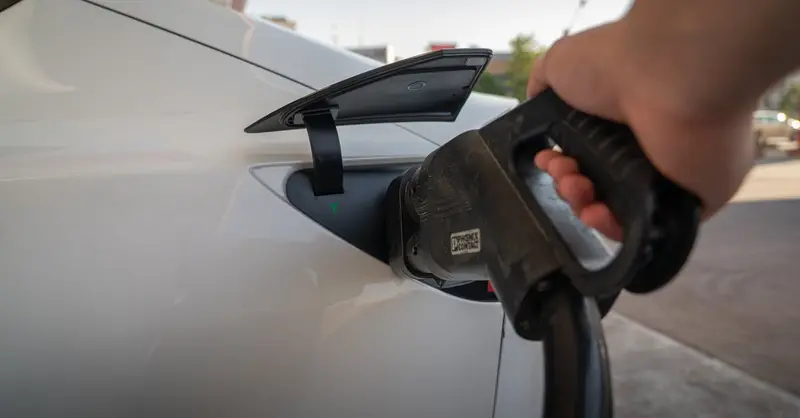
The ownership experience in 2026 is further supported by the near universal adoption of the North American Charging Standard. Most used EVs on the market today either come with a native NACS port or are compatible with widely available adapters, granting access to the most reliable charging networks in the country. This infrastructure growth, combined with the lower maintenance requirements of electric drivetrains, makes the used EV a practical choice for the average American household. Without the need for oil changes, transmission repairs, or exhaust system maintenance, the long term savings continue to accumulate. The resurgence of the used EV market is not just a temporary spike in interest but a trend built on solid financial logic and improved utility for the everyday driver.