The Evolution of Cosmetic Permanence from 2020 to 2026
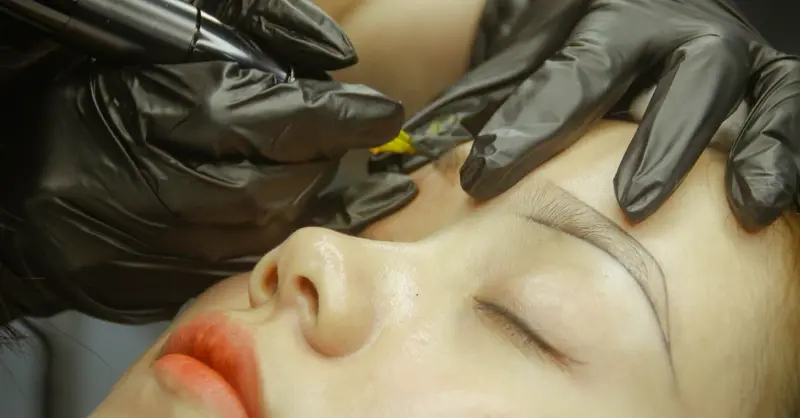
Between 2020 and 2026, the permanent makeup (PMU) industry underwent a significant transformation in the United States. What was once a niche offering found primarily in specialized tattoo studios has migrated into high-end medical spas and dedicated beauty boutiques. This shift was driven by advancements in pigment technology and a cultural move toward low-maintenance beauty routines. In 2020, the market was characterized by a smaller number of highly specialized practitioners. By 2026, the availability of training and certification programs has increased the supply of technicians, leading to more competitive pricing in major metropolitan areas. This period also saw the introduction of nano-brows and advanced lip blushing techniques that offer more natural results than the heavy-handed applications of the previous decade. Consumers now view these services as long-term investments in their daily appearance rather than occasional luxuries. The timing of this growth is critical as it coincides with a broader acceptance of semi-permanent cosmetic procedures across all age demographics, particularly among professionals looking to save time on daily makeup application. Furthermore, the regulatory environment has matured, with more states implementing specific licensing requirements for PMU artists, which has increased consumer confidence and stabilized the marketplace.
Projected Market Growth and Economic Drivers
The economic trajectory of the permanent makeup market remains strong, with projections extending through 2034. According to recent market analysis, the sector is benefiting from high consumer retention rates and a steady influx of new clients. The growth is not just limited to service revenue but also includes the sale of pigments, needles, and specialized machinery. In the current 2026 landscape, we see a clear upward trend in market valuation as more practitioners enter the field and service variety expands. This growth is supported by a robust supply chain for professional-grade supplies, which has stabilized after the disruptions seen in the early 2020s. The demographic shift is also notable, with a younger cohort of consumers entering the market for preventative or enhancement-based procedures, while older demographics continue to seek corrective or restorative services. The following data illustrates the projected market expansion, highlighting the significant leap in value expected over the next decade as the industry matures and technology continues to improve.
Service Comparison and Consumer Price Tiers
Navigating the permanent makeup marketplace requires an understanding of the different service tiers and their associated costs. A detailed microblading cost analysis shows that cosmetic service pricing varies significantly based on the technician's experience, the geographic location of the studio, and the specific technique used. In 2026, we observe three distinct value bands: budget-friendly studios often found in smaller markets, mid-range professional boutiques, and high-end luxury practitioners in cities like New York or Los Angeles. While price is a major factor, consumers must also consider the longevity of the results and the frequency of required touch-ups. A lower upfront cost may lead to higher long-term expenses if the pigment fades quickly or requires more frequent correction. The table below compares the most popular procedures currently available, providing a baseline for cost and maintenance expectations in the US market.
| Procedure | Average Cost (USD) | Longevity | Maintenance Level |
|---|---|---|---|
| Microblading | 400 to 800 | 12 to 18 months | High |
| Lip Blushing | 500 to 900 | 2 to 3 years | Moderate |
| Permanent Eyeliner | 300 to 600 | 3 to 5 years | Low |
| Powder Brows | 450 to 850 | 2 to 4 years | Moderate |
Professional Equipment and the Secondary Market
Beyond the services themselves, a secondary marketplace for professional beauty equipment has emerged. High-quality rotary machines and digital power supplies from brands like Cheyenne, Bishop, and Dragonhawk maintain significant resale value. As technicians upgrade to newer models with better ergonomics or wireless capabilities, a steady supply of used, professional-grade equipment enters the market. This provides an entry point for new practitioners who may not want to invest in brand-new gear immediately. However, the resale market for pigments and needles is non-existent due to health and safety regulations, meaning the secondary market is strictly limited to durable hardware. We see a high demand for kit listings that include machines, power supplies, and foot pedals, often selling for 60 to 70 percent of their original retail price if well-maintained. This liquidity in the equipment market signals a healthy beauty industry resale value where assets hold value over time. Technicians often look for specific features when browsing the used market, such as:
Long-Term Value and Maintenance Considerations
Looking ahead, the permanent makeup market is expected to focus on even greater customization and safety standards. The watch-next signals for 2027 and beyond include the rise of organic, REACH-compliant pigments and the integration of AI-driven mapping tools to ensure perfect symmetry before the first needle stroke. For the consumer, the focus is shifting from the initial procedure to the total cost of ownership and permanent makeup longevity over several years. This includes the initial session, the mandatory six-week touch-up, and annual color boosts. As the market matures toward 2034, we expect to see more subscription-based models or maintenance packages offered by studios to secure long-term client loyalty. For now, the best value is found by choosing experienced technicians who use high-quality pigments, as this minimizes the risk of unwanted color shifts and reduces the total number of sessions required over the life of the treatment. The industry is moving toward a model where permanent makeup is not a one-time event but a managed aesthetic choice with a predictable cost structure.