The Gear Dilemma on the West Coast Trail
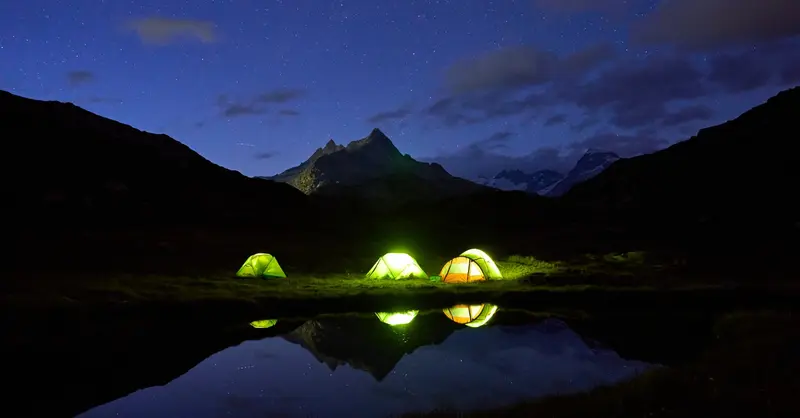
Imagine you are standing in your living room in Vancouver or Calgary, surrounded by gear for a week-long trek on the West Coast Trail or a deep dive into Algonquin Park. You have your stove, your sleeping bag, and your dehydrated meals, but your old tent feels like a lead weight. In 2026, the technology for backpacking shelters has reached a point where a two-person tent can weigh less than a litre of water. However, these advancements come with a steep retail price tag, often exceeding 850 dollars after taxes. For the average Canadian hiker, the decision is no longer just about which brand to buy, but whether to buy the latest 2026 model or hunt for a high-quality used alternative. The marketplace is currently flooded with 2024 and 2025 models as enthusiasts upgrade to the newest tech, creating a unique value gap for savvy buyers.
Comparing the 2026 Market Landscape
The 2026 season is defined by three distinct tiers: the ultralight specialists, the durable all-rounders, and the budget-friendly entry models. Brands like Big Agnes and Nemo continue to lead the ultralight category, while MSR remains the gold standard for Canadian wind and rain durability. On the marketplace, we see a clear trend where 'lightly used' premium tents retain about 60 to 70 percent of their original value, making them a better investment than cheap, heavy department store options that lack resale appeal. The following table breaks down the expected costs and weight classes for the current season in Canada.
| Category | Avg. Weight (kg) | Retail Price (CAD) | Marketplace Price (CAD) | Best For |
|---|---|---|---|---|
| Ultralight (UL) | 0.8 - 1.2 | $750 - $950 | $500 - $650 | Long distance thru-hiking |
| Lightweight | 1.3 - 1.7 | $500 - $700 | $300 - $450 | General backcountry use |
| Budget/Entry | 1.8 - 2.4 | $200 - $400 | $100 - $250 | Weekend trips, car camping |
The Cost of Shaving Grams
In the world of backpacking, there is a famous saying that you can have it light, cheap, or durable, but you can only pick two. In 2026, the 'price per gram' has become a key metric for enthusiasts. As you move from a standard 1.8-kilogram tent to a 1.0-kilogram ultralight model, the cost per kilogram saved increases exponentially. This is due to the use of expensive materials like Dyneema Composite Fabric (DCF) or high-tenacity 7-denier nylon. For many Canadian hikers, the 'sweet spot' is often found in the 1.4 to 1.6-kilogram range, where durability remains high enough to handle the abrasive granite of the Canadian Shield without the astronomical price of specialized ultralight gear.
Material Science and the Canadian Climate
The 2026 lineup of tents has seen a significant shift toward sustainable materials, specifically PFC-free water repellents and recycled nylon. While these are excellent for reducing the environmental footprint of our outdoor hobbies, they behave differently in the field. Older tents often used coatings that could become sticky or delaminate over time in humid Canadian environments like the Maritimes or the BC coast. The newer 2026 models use advanced silicone-based treatments that offer better longevity. When browsing the marketplace, a key quality signal is the 'denier' rating of the floor fabric. A 15D or 20D floor is standard for ultralight tents, but in Canada, where many campsites are on rocky platforms or gravel, a tent with a 30D or 40D floor (or a dedicated footprint) will have a much higher resale value because it is less likely to have suffered micro-tears.
Maximizing Resale Value and Timing
The secondary market for outdoor gear in Canada follows a strict seasonal rhythm. If you are looking to sell your current tent to fund a 2026 upgrade, the peak demand occurs in late May and early June, just as the hiking season begins in most provinces. Conversely, the best time to find a deal on a 2026 model is mid-July. This is when the 'catch and release' phenomenon happens: hikers buy the latest gear for a specific bucket-list trip, realize backpacking isn't for them, and list the gear in near-perfect condition for a 20 percent discount. On Anuto and other marketplaces, look for listings that include the original receipt, as many premium brands like MSR and Nemo offer limited lifetime warranties that are easier to claim with proof of purchase.
Choosing the Right Shelter for the Terrain
Finally, consider the specific geography of your 2026 adventures. If you are primarily hiking in the Rockies, a 'freestanding' tent is almost mandatory because it is often impossible to drive stakes into the rocky ground. If you are trekking in the more forested regions of Quebec or Ontario, a 'non-freestanding' tent that uses trekking poles for support can save you significant weight and money. These models are becoming more popular in 2026 as hikers look to simplify their kits. Regardless of the model you choose, the marketplace remains the most efficient way to balance the high cost of technical innovation with the practical needs of the Canadian backcountry. By focusing on condition, fabric weight, and seasonal timing, you can secure a world-class shelter without the retail markup.